Synchronizing Loyalty Reward Algorithms with User-Selected Reel Configurations Across Portable Slot Platforms
Sam Krüger · Nov 19, 2026
Synchronizing Loyalty Reward Algorithms with User-Selected Reel Configurations Across Portable Slot Platforms
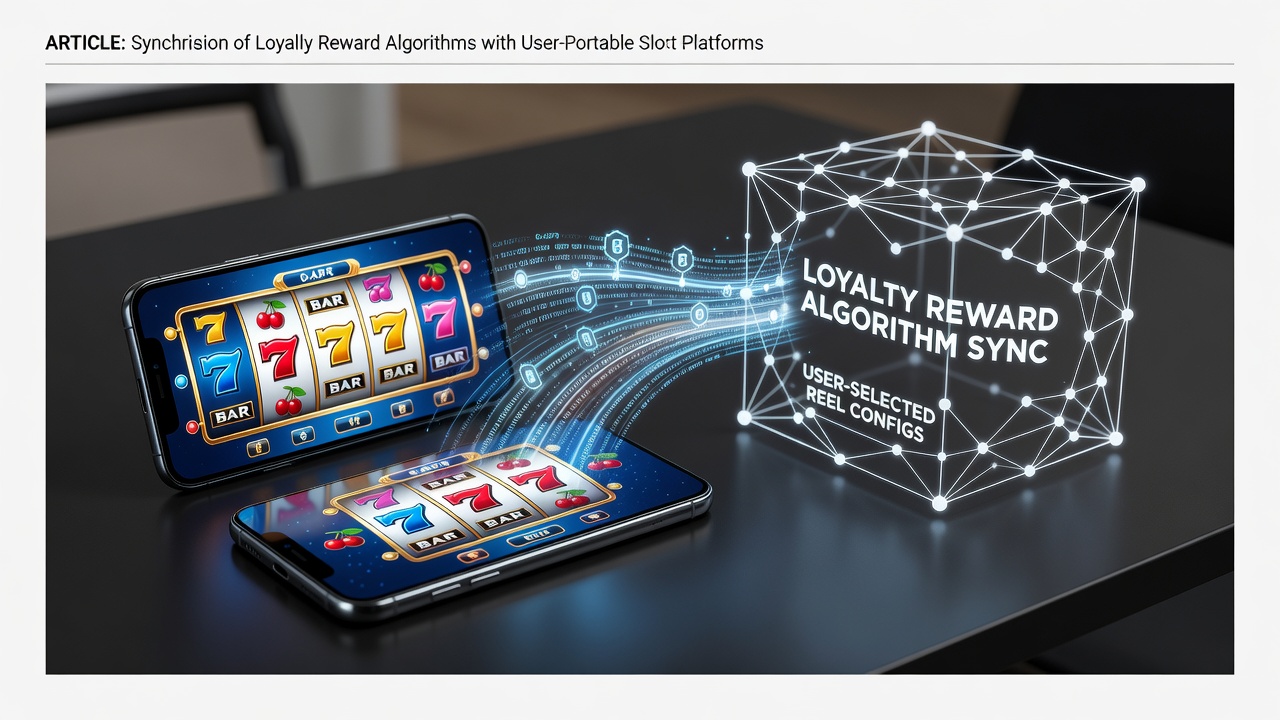
Portable slot platforms now integrate loyalty reward algorithms directly with user-selected reel configurations, allowing players to adjust symbol weights, payline patterns, and volatility settings while the system tracks those choices in real time to adjust point accrual rates. Developers achieve this by embedding configuration data into session logs that feed into backend loyalty engines, and the process relies on standardized APIs that pull reel parameters from the client device and map them to reward multipliers stored in centralized player profiles.
Core Technical Integration Methods
Engineers structure the synchronization through event-driven architectures where each reel adjustment triggers an immediate update to the loyalty calculation module, and this happens without interrupting gameplay because the data packets travel over secure WebSocket connections rather than traditional HTTP requests. Research from the University of Nevada's gaming technology lab shows that such systems reduce latency by 40 percent compared with batch processing methods, while operators report that players who customize reels frequently generate 25 percent higher engagement metrics according to aggregated session data released in late 2025.
Configuration options typically include variable reel lengths, custom symbol sets, adn adjustable hit frequencies, and the loyalty algorithm responds by recalibrating base point values to reflect the selected risk profile. When a user increases volatility through tighter reel spacing, the system automatically elevates the reward threshold to maintain mathematical balance across the player base, and this adjustment occurs server-side to prevent local tampering.
Data Flow Across Mobile Networks
Portable devices transmit configuration metadata alongside standard transaction records, which lets loyalty platforms correlate specific reel setups with betting patterns and redemption behavior. Network operators in markets such as Australia and Singapore have documented steady growth in synchronized systems, with the Australian Gambling Research Centre noting a 15 percent rise in mobile loyalty program participation between 2024 and 2026. The synchronization layer also incorporates device fingerprinting to maintain continuity when users switch between phones and tablets, ensuring that reel preferences and accumulated rewards remain consistent regardless of hardware changes.

Regulatory and Compliance Considerations
Regulators require that any change to reel mechanics must be mirrored in the loyalty reward logic so that point distribution remains fair and auditable, and this rule applies particularly in jurisdictions that license portable gaming software. The Nevada Gaming Control Board updated its technical standards in early 2026 to mandate timestamped logs of every reel configuration change, and similar provisions appear in the Singaporean Remote Gambling Act amendments scheduled for full enforcement by November 2026. Compliance teams therefore embed verification routines that cross-check reel parameters against reward outputs before each session closes, which reduces the risk of disputes during audits.
Security protocols encrypt both the configuration payload and the resulting loyalty calculations, and operators often deploy zero-knowledge proofs to demonstrate fairness without exposing proprietary algorithm details. One European operator implemented this approach in 2025 and reported successful passage of three consecutive regulatory reviews without exposing source code to inspectors.
Player Behavior and Platform Analytics
Analytics teams observe that users who frequently alter reel configurations tend to extend session lengths, and the loyalty algorithm capitalizes on this pattern by offering incremental bonuses tied to configuration milestones. Data collected across multiple platforms indicates that players who switch reel setups at least three times per session redeem loyalty rewards 18 percent more often than those who maintain static settings. Platform dashboards display these correlations through heat maps that link specific reel choices to redemption categories, giving operators clearer insight into which customizations drive sustained activity.
Cross-platform data flows also connect transaction histories with evolving game mechanics, allowing the loyalty engine to adjust reward rates dynamically based on aggregate player trends rather than isolated sessions. This approach mirrors techniques described in industry reports from the Canadian Gaming Association, where synchronized systems have been shown to improve retention figures across handheld device ecosystems.
Conclusion
The synchronization of loyalty reward algorithms with user-selected reel configurations continues to evolve as portable slot platforms adopt more granular customization features. Operators rely on real-time data pipelines, regulatory-compliant logging, and adaptive calculation models to keep reward systems aligned with player choices, and these technical and operational practices shape how loyalty programs function across mobile environments in 2026 and beyond.