Patterns in User Navigation That Link Secure Transactions to Engaging Table Experiences on Mobile Platforms
Katja Simon · Nov 5, 2026
Patterns in User Navigation That Link Secure Transactions to Engaging Table Experiences on Mobile Platforms
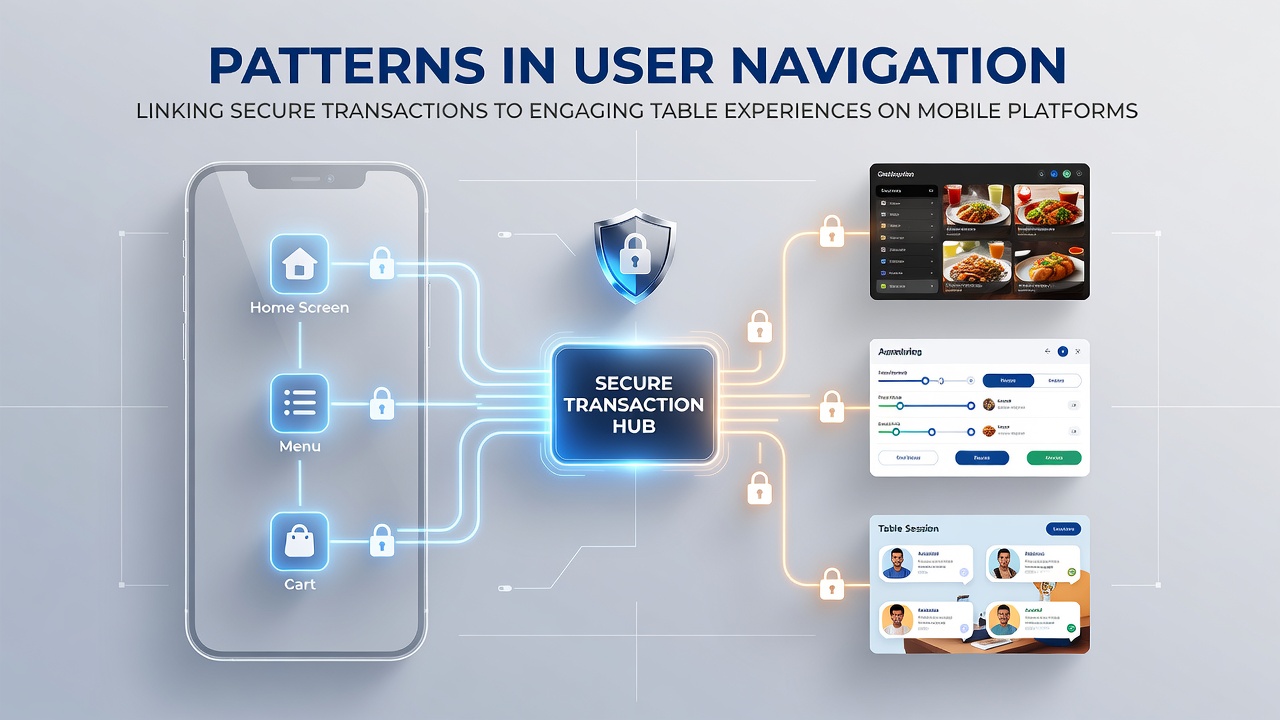
Users on mobile platforms follow distinct navigation sequences that connect secure transaction processes directly to table game interfaces, and these sequences have been mapped through analytics from multiple operators. Data collected across devices shows that players typically move from account funding screens to game lobbies within four to six taps when encryption layers activate automatically. Research indicates that streamlined paths reduce drop-off rates during the transition from payment verification to real-time table play.
Core Navigation Sequences Observed in Mobile Table Environments
Analytics platforms record consistent routes where deposit confirmation triggers immediate access to variants such as blackjack or roulette, and these routes rely on cached security tokens that eliminate repeated authentication steps. Observers note that swipe gestures often replace button clicks in the shift from wallet summaries to seat selection, while progress indicators keep users oriented during loading periods. Studies from industry reports reveal that sessions beginning with biometric-verified transfers exhibit longer dwell times once players reach the table view.
Navigation logs from November 2026 highlight how in-app prompts guide users from transaction history panels into featured table rooms, and these prompts adapt based on prior selections. When a deposit completes successfully, the interface prioritizes tables matching recent preferences, such as speed-focused variants or multi-player formats. Researchers tracking these flows across Android and iOS devices found that predictive loading of table assets cuts wait times by measurable margins compared with non-optimized paths.
Integration of Security Protocols Within User Journeys
Secure transaction layers embed directly into navigation flows rather than appearing as separate checkpoints, and this integration allows continuous movement toward engaging table content. Encryption handshakes occur in the background during deposit finalization, after which users proceed to live dealer streams without additional screens. Figures from regulatory summaries show that platforms employing seamless token refresh maintain higher completion rates from funding to first hand dealt.
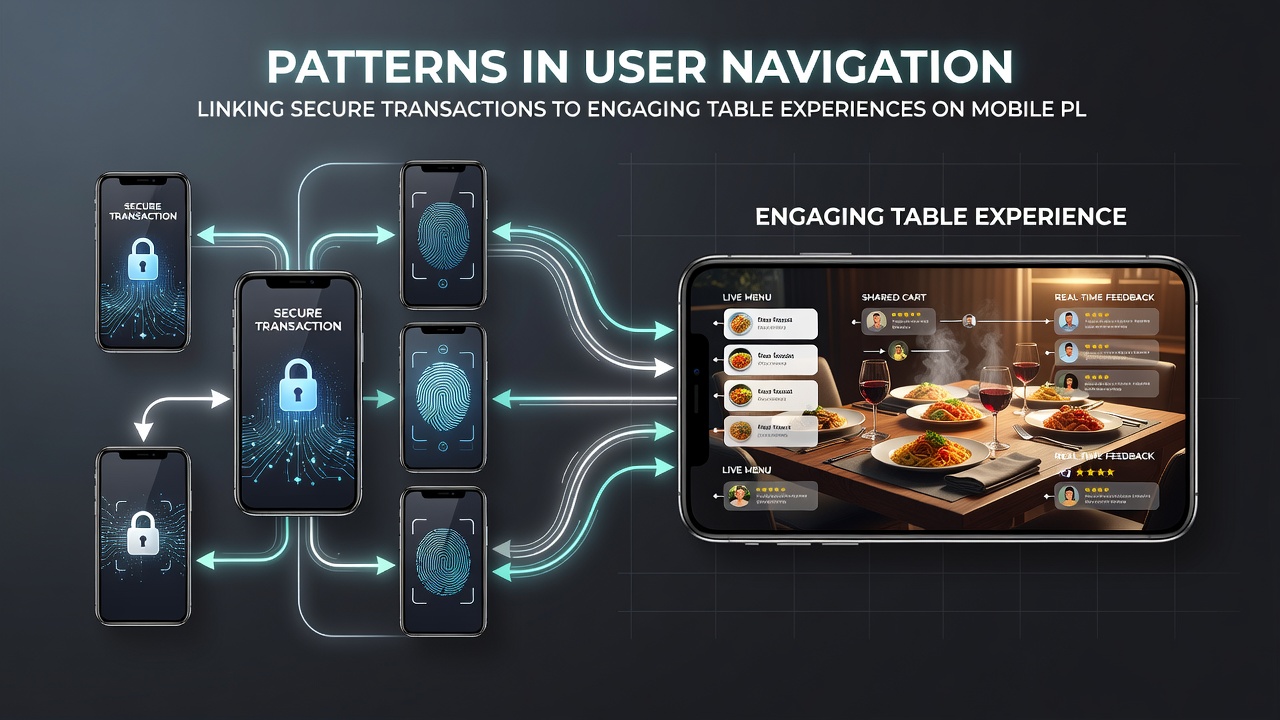
Those who monitor user behavior report that visual cues, such as lock icons fading into game thumbnails, reinforce trust during the handoff between payment and play sections. Mobile frameworks that preload table data only after transaction confirmation reduce exposure windows for sensitive information. Data from cross-platform audits demonstrates that these combined elements produce repeatable patterns where users return to the same sequence across multiple visits.
Data Patterns Linking Transactions to Table Engagement
Heatmap analyses of touch interactions reveal concentrated activity around confirmation buttons followed by rapid shifts to table lobby grids, and these clusters correlate with higher retention when security status remains visible throughout. According to metrics released by the Nevada Gaming Control Board, mobile table sessions initiated after verified deposits averaged longer durations than those started through free-play routes. Engagement metrics further indicate that users who complete transactions via saved methods reach dealer tables faster than those entering new card details each time.
Research conducted on adaptive interfaces shows that navigation suggestions based on transaction size guide players toward higher-limit tables or tournament formats, and these suggestions appear only after funds clear. In November 2026, aggregated reports noted increased adoption of one-tap re-entry features that carry verified balances straight into ongoing table rounds. Observers tracking these developments across multiple jurisdictions documented consistent reductions in session abandonment when security feedback and game access share the same workflow pane.
Regional Variations in Mobile Flow Design
Platforms operating under different licensing frameworks adjust navigation density to meet local compliance requirements while preserving the link between transactions and table access. European operators frequently incorporate additional confirmation layers that still feed directly into live game views, whereas North American deployments emphasize integrated wallet summaries that update in real time. Data compiled by the Victorian Responsible Gambling Foundation indicates that users in regions with strict transaction logging still follow predictable routes once initial verification clears.
Cross-device studies confirm that tablet users exhibit slightly longer pauses between payment screens and table entry compared with smartphone users, yet both groups converge on similar engagement levels once seated at digital tables. Software updates rolled out during late 2026 refined gesture controls that accelerate this convergence without altering security checkpoints.
Conclusion
Navigation patterns that tie secure transactions to table experiences on mobile platforms continue to evolve through iterative design adjustments informed by usage data. These patterns demonstrate measurable connections between streamlined payment flows and sustained table engagement across regions and device types. Continued monitoring by regulatory and research bodies will document further refinements as platforms respond to shifting user behaviors observed in November 2026 and beyond.