Collective Intelligence Models Reshaping Live Dealer Interactions in Mobile Gaming Ecosystems
Ulrich Brooks · Oct 22, 2026
Collective Intelligence Models Reshaping Live Dealer Interactions in Mobile Gaming Ecosystems
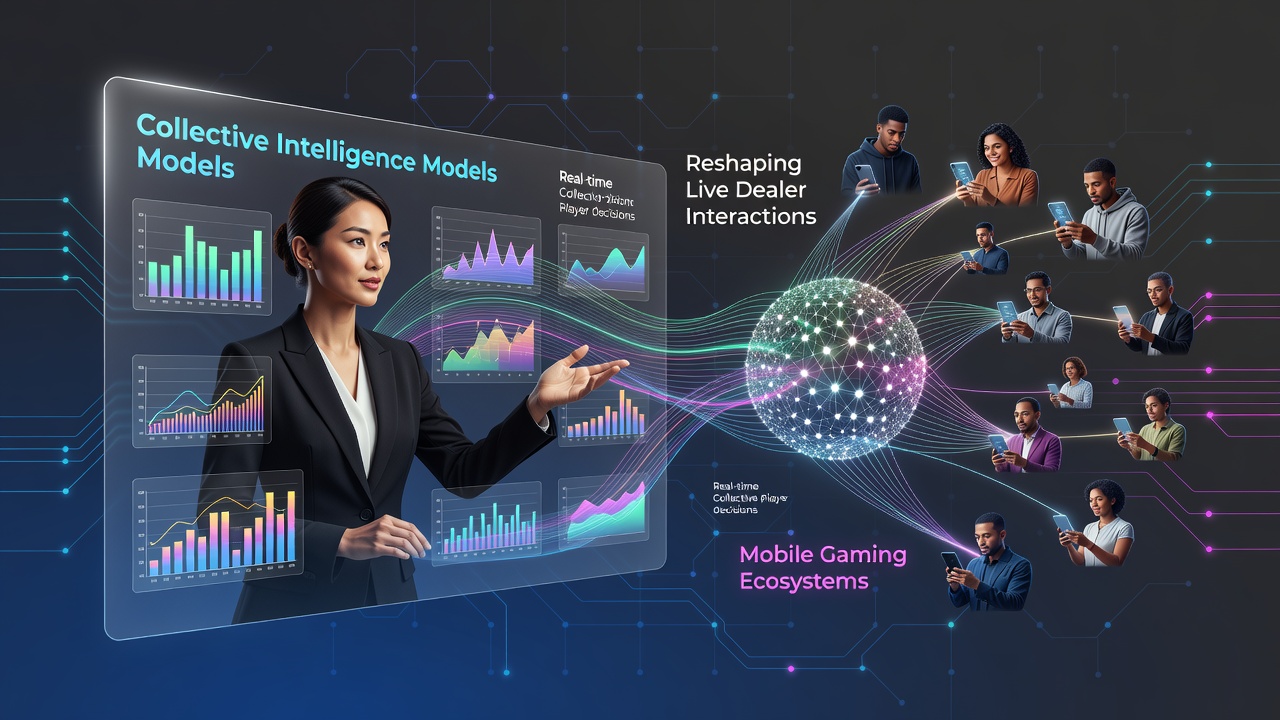
Collective intelligence models pull together vast streams of player behavior data across mobile platforms to adjust live dealer pacing, response timing, and table dynamics in real time. These systems aggregate decisions from thousands of simultaneous sessions, allowing algorithms to identify patterns that individual players generate during blackjack, roulette, or baccarat rounds. Operators deploy the resulting insights to fine-tune how dealers interact with remote participants through video feeds and chat overlays.
Data Aggregation Driving Real-Time Adjustments
Platforms collect metrics such as bet sizing sequences, response latency to dealer prompts, and session duration across geographic clusters. Researchers at institutions tracking mobile engagement patterns note that these aggregated signals feed into models capable of predicting group-level trends within seconds. When a cluster of participants on one table shows slower decision rates, the system can signal the dealer to extend pause intervals or introduce additional verbal cues without disrupting the overall flow.
Studies from regulatory bodies in North America indicate that such collective feedback loops have expanded since early 2025, particularly on networks serving multiple jurisdictions. Data shared through secure channels between operators reveals how mobile users in different time zones contribute distinct behavioral signatures that refine dealer scripting and camera angle priorities. One analysis of session logs from mid-2026 showed measurable shifts in average round completion times after these models went live.
Player Group Dynamics and Dealer Response Calibration
Live dealer interfaces now incorporate elements where collective signals influence subtle game mechanics. For instance, when mobile analytics detect rising engagement from a cohort favoring aggressive betting, the system may prompt dealers to acknowledge table momentum through standardized phrases while maintaining regulatory compliance. Observers tracking these interactions report that the adjustments occur behind the scenes, preserving the human element while embedding group-derived intelligence.
Software frameworks handling these processes rely on distributed computing resources that process anonymized streams from handheld devices. Engineers integrate sensor data from accelerometers and touch patterns alongside explicit game actions to build richer profiles of collective play styles. This approach allows platforms to segment tables dynamically, grouping participants whose historical data suggests compatible pacing preferences.

Regulatory and Technical Frameworks in 2026
As of October 2026, licensing authorities across multiple regions require documentation of how collective models handle data privacy during live streams. The Nevada Gaming Control Board publishes periodic updates on compliance standards for real-time analytics in mobile dealer environments. These guidelines emphasize audit trails that trace model outputs back to specific data clusters without exposing individual identities.
European operators reference frameworks from the Malta Gaming Authority when implementing similar systems, ensuring cross-border data flows meet established thresholds. Technical teams combine these requirements with machine learning pipelines that retrain on fresh collective inputs nightly. The result appears in dealer interfaces that display suggested interaction adjustments derived from aggregated session histories rather than single-player profiles.
Implementation Across Mobile Ecosystems
Developers embed collective intelligence layers into existing live dealer applications through modular APIs that connect to central analytics hubs. Mobile sessions feed continuous telemetry on swipe gestures, screen orientation changes, and audio interaction levels during dealer announcements. When patterns emerge across hundreds of concurrent users, the model recalibrates elements such as overlay timing for betting windows or chat moderation triggers.
Case examples from large-scale deployments show tables where collective signals reduced average player drop-off during peak evening hours. Engineers monitor these outcomes through dashboards that highlight correlations between group behavior metrics and retention figures. The process operates continuously, with updates propagating to dealer stations and player devices simultaneously.
Conclusion
Collective intelligence models continue to integrate deeper into mobile live dealer operations by processing shared behavioral data at scale. Regulatory documentation from multiple jurisdictions tracks their deployment, while technical standards evolve to support secure, real-time application of group-derived insights. These developments shape how dealers and remote participants connect across expanding device networks without altering core game rules.